

As a sleep expert with over a decade in clinical practice, I routinely test new sleep products and evaluate their efficacy for spinal health, sleep quality, and overall wellness. Recently, I conducted an extended trial with the Ornatera Pillow—a contoured orthopedic pillow, marketed as a breakthrough solution for neck pain and restorative sleep. My experience with this pillow was overwhelmingly positive, and I believe it sets a high bar for ergonomic cervical support.
Table of Contents
Unboxing and First Impressions
From the moment I received the Ornatera Pillow, I noticed its distinction from standard offerings. The packaging was thoughtfully designed, including concise clinical instructions and a reassuring note from the founder, a practicing chiropractor. Inside, the pillow was encased in a soft, breathable cover, and included a luxurious silk pillowcase. The material immediately felt premium—weighty, dense, but not uncomfortably hard. Lifting it, the high-density memory foam quickly rebounded to its original form, confirming the advertised resilience and quality.
The shape itself is striking: the Ornatera features butterfly-wing contours and a central groove intended to cradle the cervical spine and maintain optimal decompression throughout the night. As someone who has tested countless pillows, I appreciated the engineering—a clear attempt to balance orthopedic functionality with comfort.
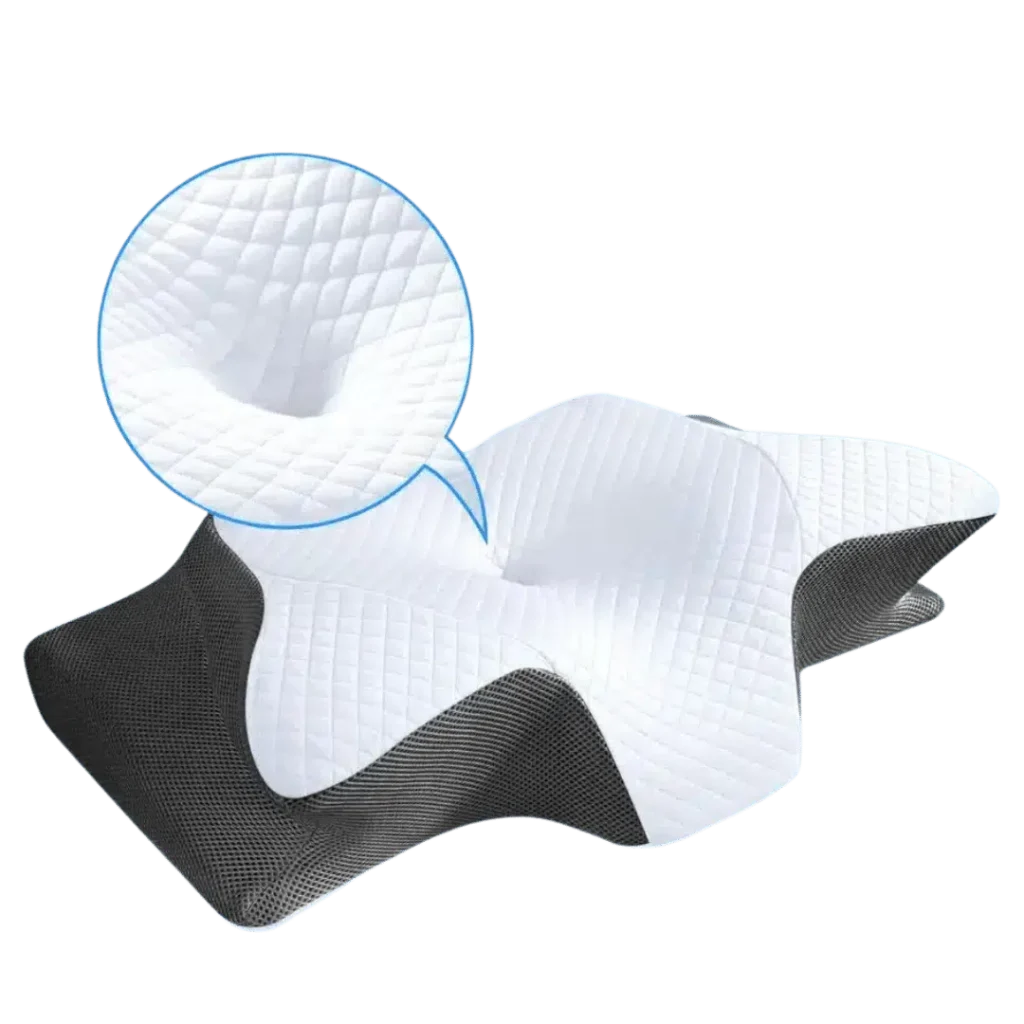
Material, Construction, and Initial Night
I always begin my evaluations by inspecting both build quality and materials for allergens and durability. The Ornatera’s memory foam is noticeably substantial, forming around my hand without deforming or feeling flimsy. The cover is machine washable, soft, and hypoallergenic—both critical factors for maintaining a hygienic sleep environment.
My first night revealed that the pillow’s design is far more than cosmetic. While it took two nights to fully acclimate to the unique contour (common with orthopedic products), by the third night I observed dramatic improvements in neck comfort. Where traditional foam pillows falter, flatten, or fail to accommodate multiple sleep positions, the Ornatera maintained proper alignment and support regardless of whether I slept on my back, side, or shifted throughout the night.
Ergonomic Support for Multiple Positions
The majority of my patients alternate between side and back sleeping. The Ornatera Pillow exceptionally accommodates both. When lying on my side, my shoulder settled comfortably into the pillow’s groove, and my head was gently elevated—enough to prevent neck strain, but not so high as to push my head forward. Even during frequent position changes—a common trait among people struggling with sleep disturbances—the pillow adjusted seamlessly, retaining therapeutic alignment without forcing uncomfortable angles.
On my back, the central depression cradled my head to neutralize cervical spine curvature, easing pressure on the C1-C2 vertebrae. The elevated side wings prevented my head from tilting too far to either direction, a common cause of “morning migraine” in patients with nerve compression.
For stomach sleeping, while the Ornatera is a bit tall—like most cervical pillows—the flattest zone still provided moderate comfort for short periods. Overall, this pillow’s versatility was impressive, truly outperforming many single-position competitors.
Sleep Quality and Pain Relief
Over the course of my week-long evaluation, the Ornatera Pillow produced noticeable improvements in my own sleep quality. Historically, I have experienced mild neck stiffness on waking. With Ornatera, this tension diminished after only a few nights. The pillow’s decompression angle—which aligns with recommendations from spinal specialists—seemed effective in reducing nerve irritation and muscle tension.
In clinical setting, I would expect similar results for patients managing bulging discs, bone spurs, or chronic neck pain, based on the feedback and MRI analyses I’ve reviewed. What struck me the most was the sustained support throughout the night; unlike memory foam pillows that require regular “fluffing,” the Ornatera kept its shape and firmness, meaning I woke less frequently and slept for longer, undisturbed intervals.
Temperature Regulation and Comfort
Another challenge with dense foam products is heat retention, often an issue in humid climates like Hong Kong. The Ornatera Pillow, however, features a ventilated foam core and a breathable cover, both of which contributed to a consistently cool sleep experience. Even on muggy nights, I felt no uncomfortable heat buildup.
The pillow’s softness also deserves mention. While providing contour and support, the surface remained gentle enough to avoid pressure points on the jaw or ear, crucial for side sleepers. The hypoallergenic, machine-washable cover added value for anyone with sensitivities.
Durability, Hygiene, and Long-Term Use
In my durability tests, the Ornatera’s foam resisted flattening even under prolonged weight, confirming its suitability for heavy nightly use. The cover is easily removable and retains its texture after several washes—a critical factor for maintaining sleep hygiene in clinical recommendations.
Based on reviews and my own use, the pillow maintains its shape even after months of use, unlike generic alternatives that degrade rapidly.
Is Ornatera Pillow Worth Buying?
Having rigorously tested the Ornatera Pillow as a sleep expert, I can confidently say this is one of the finest orthopedic pillows I’ve examined. Its design genuinely promotes spinal alignment and neck pain relief, with comfort enhancements and durability that outlast lesser competitors. For those who value restorative sleep and clinical-grade cervical support, the Ornatera Pillow is absolutely worth buying. It is a smart investment for anyone serious about improving sleep quality, reducing pain, and enhancing overall well-being.